EVENT LOGISTICS / FIELD NOTES
The stage schedule starts before the show
A stage that fits the room can still fail the schedule if the truck cannot unload, other suppliers need the same door, or rehearsal starts before the platform is ready.
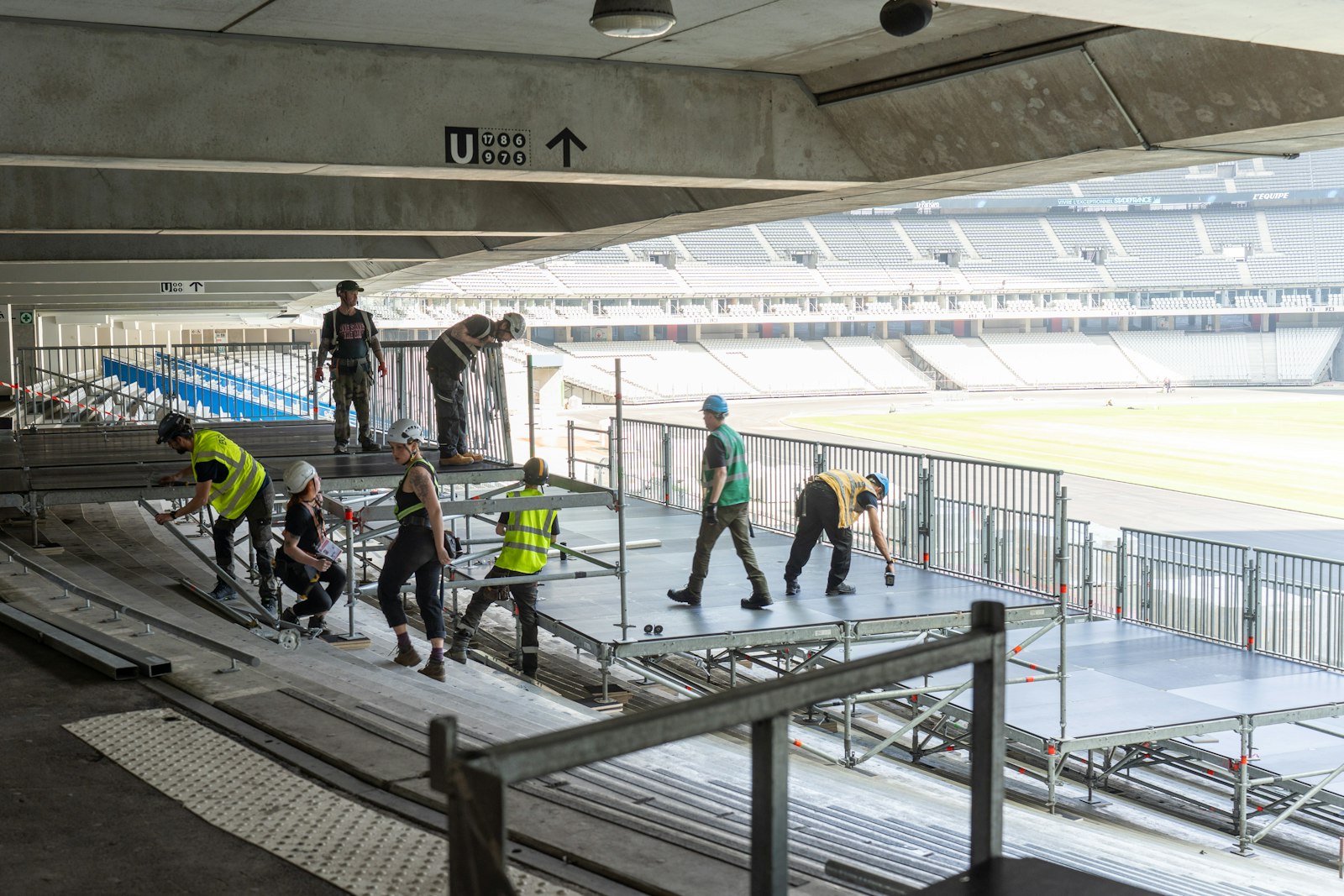
Work backward from doors and rehearsal. Agree on the loading route, who has access when, which crew needs the platform next, and when the venue must be clear. Put those assumptions in the stage brief and written quote.
Work backward from the first person on stage
Set the time when the platform must be usable for rehearsal or an AV check. Then ask each supplier what it needs before that point. The stage may need to be built before screens, speakers, furniture or a backdrop can be positioned. Those steps should not be scheduled to happen in the same floor area at once.
Leave room in the plan for the venue to inspect or approve the completed setup if that is required. The supplier can estimate a sequence after it has seen the access route, equipment scope and site constraints; an online article cannot promise an installation duration.
Check these details
- Venue access starts
- Stage delivery and assembly
- AV, backdrop and furniture handoff
- Site review and rehearsal
- Audience doors
- Strike and room clear
Map the truck-to-platform route
Ask the venue which door or dock can be used, whether a vehicle can wait there, and whether a lift, ramp or long corridor sits between the truck and stage position. Note door widths, lift dimensions, stairs, floor protection and restrictions on noisy work.
If multiple suppliers share one loading area, give them a sequence and a contact person. A stage crew arriving at the right time but finding the dock blocked is still a late stage crew from the audience’s point of view.
Make handoffs explicit
List who is responsible for positioning chairs, running cables, hanging drape, testing lighting, and checking that routes remain clear. Do not assume ‘setup included’ covers every vendor’s equipment. The stage quote and AV quote should describe the line between their work.
When the event ends, reverse the sequence. Some equipment may need to come off the platform before the stage can be removed. Confirm the venue’s strike window and whether the same loading route is still available.
Put the schedule into the quote briefKeep one current schedule
A one-page schedule with named contacts is easier to use than several email threads. Update it when the venue changes access times or the event plan adds equipment. Send the current version to every supplier, with changes clearly marked.
For an outdoor event, the weather decision and stop-work communication plan belong on the same sheet. A schedule should help people make decisions, not pressure a crew to proceed when conditions need reassessment.
Check the outdoor planning questionsSources and further reading
These references support the planning points above. Site-specific requirements still need checking with the venue and relevant authority.